Swatch card No. SW-9634 · cut October 30, 2026
Fashion TechMill spec card
Bared Turtur flat cuts standing pain 30.2% in 43-woman trial
University of Melbourne researchers found 30.2% less standing pain after four weeks in Bared’s Turtur flat; an ASOS Mary Jane produced only a 1.6% walking-pain reduction.
- Fiber
- Fashion Tech
- Count
- 4 min read
- Cut
- Weight
- 890 words
Spec notes
- The study enrolled 51 women; 43 completed the four-week crossover trial.
- Turtur users reported 30.2% less standing pain and 29.4% less walking pain; ASOS walking pain fell 1.6%.
- 79.1% rated the Turtur more comfortable and 76.7% preferred it overall; aesthetics showed no significant difference.
- Only 3.9% described their existing work shoes as very comfortable.
- Fit Kit adjustments can alter fit by roughly half a size, but researchers did not independently test them.
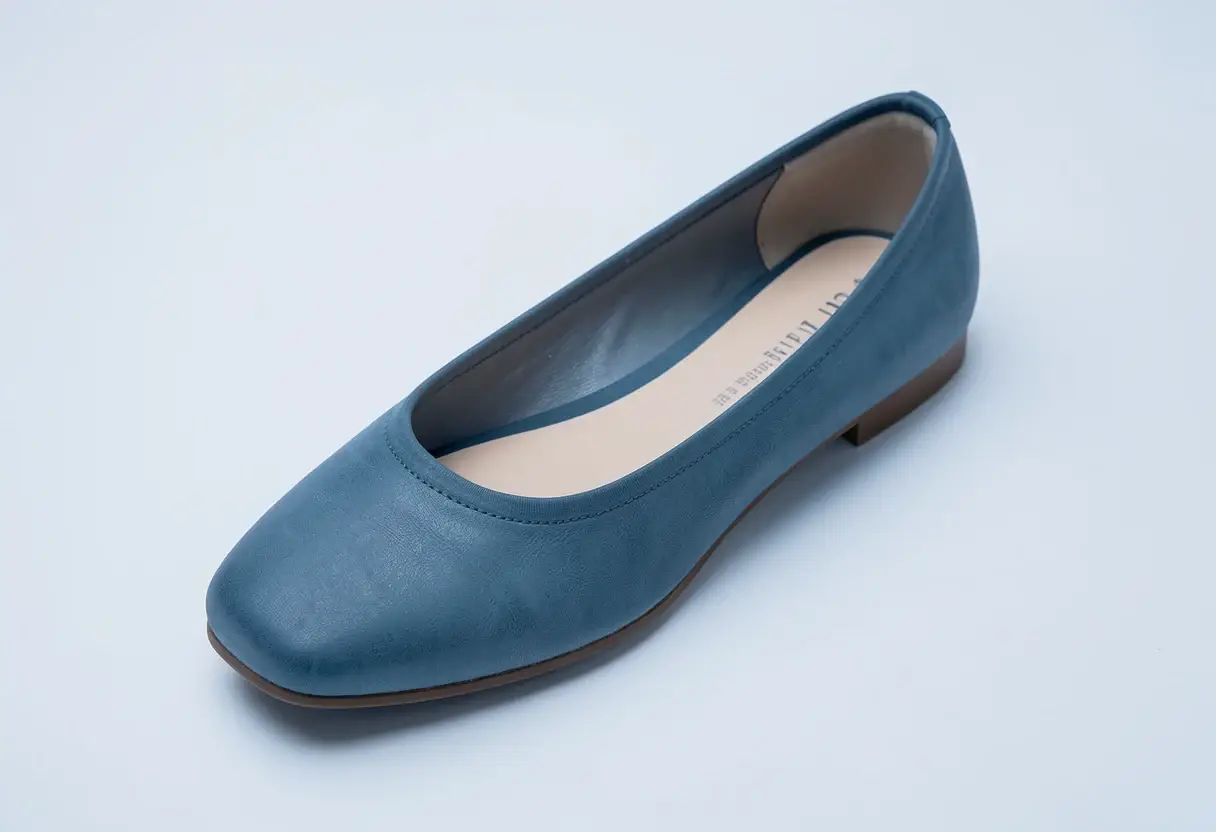
A University of Melbourne trial completed by 43 women found Bared Footwear’s Turtur ballet flat cut reported standing pain 30.2%, against essentially unchanged standing pain in an ASOS Design Mary Jane Lottie.
The same group recorded 29.4% less walking pain in the Turtur. Walking pain declined only 1.6% in the ASOS shoe.
What did the University of Melbourne trial test?
The independent randomized crossover trial enrolled 51 women with existing foot pain. All worked in weight-bearing jobs that required at least four hours on their feet daily, three days a week.
Forty-three completed the workplace phase. Each wore the Turtur and ASOS Design Mary Jane Lottie for four weeks apiece, separated by a two-week washout. The researchers randomized shoe order and de-identified both models.
The Turtur combines a square toe, Mary Jane strap and slight heel with a biomechanical footbed intended to ease foot and calf pain. Its construction adds a structured midsole, cushioned removable footbed and contoured arch support. The ASOS shoe had a flat, flexible construction with minimal cushioning and arch support.
How did comfort and appearance compare?
- Comfort: 79.1% of participants called the Turtur the more comfortable of the two shoes.
- Overall preference: 76.7% preferred the Turtur.
- Appearance: Participants reported no significant difference between the two shoes on aesthetics.
- Purchase priorities: 27.5% selected aesthetics as the main influence on work-shoe purchases, while 15.7% chose comfort. Only 3.9% described the shoes they already wore to work as very comfortable.
Anna Baird founded Bared in 2008 after working as a podiatrist and has spent nearly two decades developing shoes for that market. She said women no longer accept painful footwear and now expect appearance and wearability together.
Her design philosophy rejects telling women to give up attractive shoes. She also called the 3.9% result confronting because her podiatry experience had long suggested widespread discomfort.
Does the footbed explain the support advantage?
Both products shared a flat silhouette, but their internal constructions differed. Dr. Maddison Kirk and Associate Professor Kade Paterson of the University of Melbourne said: “The biggest difference was the structure and support built into the shoe, particularly the footbed.”
They also found that removing the footbed made pressure patterns more similar to those produced by the conventional shoe. The researchers identified the footbed as an important contributor, while their broader conclusion concerned internal structure and support rather than the flat outline alone.
What can buyers and sellers claim?
- Population: Participants already had foot pain and held weight-bearing jobs, limiting extrapolation to men or people without pain.
- Duration: Each shoe received four weeks of workplace testing, leaving longer-term effects unknown.
- Tolerance: Both pairs caused blisters and heel rubbing. Participants reported seven instances under the low-support condition and five under the Bared condition.
- Range: Researchers tested only the Turtur. They did not test other Bared styles or report a separate calf-pain result.
These limits prevent Bared from extending the finding across its full footwear range. For sourcing teams, the report provides efficacy evidence, not a supply roadmap. It names no factory, production volume, certification, price or delivery timetable.
Can fit adjustments extend the support claim?
For styles with removable footbeds, Bared sends thinner replacement footbeds and forefoot inserts through its Fit Kit. The components give wearers more room in tight shoes or fill space in loose ones. Bared says the adjustments can change fit by roughly half a size. Its Pandion and Mino boots list the kit among their features.
Kirk and Paterson warned that even a supportive shoe may not perform as intended when it fits poorly. The researchers did not independently test the Fit Kit, however, and could not attribute the trial’s pain reduction specifically to it.
How is Bared using celebrity visibility?
- Blackpink’s Jennie Kim performed in the brand’s knee-high Softtail boots at this summer’s Open’er Festival.
- Kylie Minogue wore custom metallic Bared boots onstage at the AFL Grand Final.
- Alix Earle wore Hillstar boots in black leather at Coachella in April.
- Meryl Streep included the label’s studded Mino Boots in her “The Devil Wears Prada 2” press-tour wardrobe.
Baird said recent celebrity attention has come mainly through stylists, who try the footwear and recommend it to clients. These placements extend brand visibility, but they do not extend the clinical result beyond the tested Turtur.
For Minogue, Bared adapted its existing Pandion and Mino constructions rather than develop a performance boot from scratch. The brand remade them in patent black, gold and silver metallic leather to match her costumes while retaining the biomechanical support in the original designs. Baird said the boots had to look exceptional onstage and remain comfortable and supportive for performance.
What changes next?
The Australian label is developing boots, heels, sandals, loafers and sneakers while pushing further into the U.S. market. New materials, shapes and finishes are entering the design pipeline. Baird said: “We now have independent clinical evidence that we can use to keep improving our designs rather than relying purely on what we think works.”
Her stated design hierarchy puts appearance first and treats foot health as a given. The next commercial test is whether Bared can sustain that support across new materials, shapes and finishes while expanding its U.S. push.
via WWD (Source)
More from Marcus Bennett
Show full bio
Senior reporter covering money, funding and market shifts around fashion industry as a trade and business at The Fabric Brief.
243 articles
Also on the board
- Lems Enters Running With Tariff Refund Funding Its Push
- Archive Scales Branded Footwear Resale to 12 Brands as Returns Mount
- Nike Builds India-Specific Running Shoe in 55 Days, Sells via Flipkart
- Long John Puts Karl Mayer's RDJ 7/3 Into Production in Indonesia
- Nike Extends Melitta Baumeister Deal From Sneakers to Full Apparel Line