Swatch card No. SW-5393 · cut November 16, 2026
Supply Chain & SourcingMill spec card
Bangladesh Doubles Global Apparel Share to 10.9%, World Bank Says
Bangladesh's global apparel export share rose from 4.9% in 2010 to 10.9% in 2024, the largest gain of any country, a World Bank study released November 13, 2026 shows.
- Fiber
- Supply Chain & Sourcing
- Count
- 3 min read
- Cut
- Weight
- 510 words
Spec notes
- Bangladesh's global apparel export share rose from 4.9% in 2010 to 10.9% in 2024, a 6.0-point gain.
- China's apparel share fell 13.8 points, from 42.0% to 28.2%, over the same period.
- Vietnam posted the second-largest gain, from 3.2% to 8.3%.
- Bangladesh's LDC graduation has been extended to November 2029.
- The World Bank estimates a 10-point rise in foreign tariffs cuts developing-economy employment by 1.4 points.
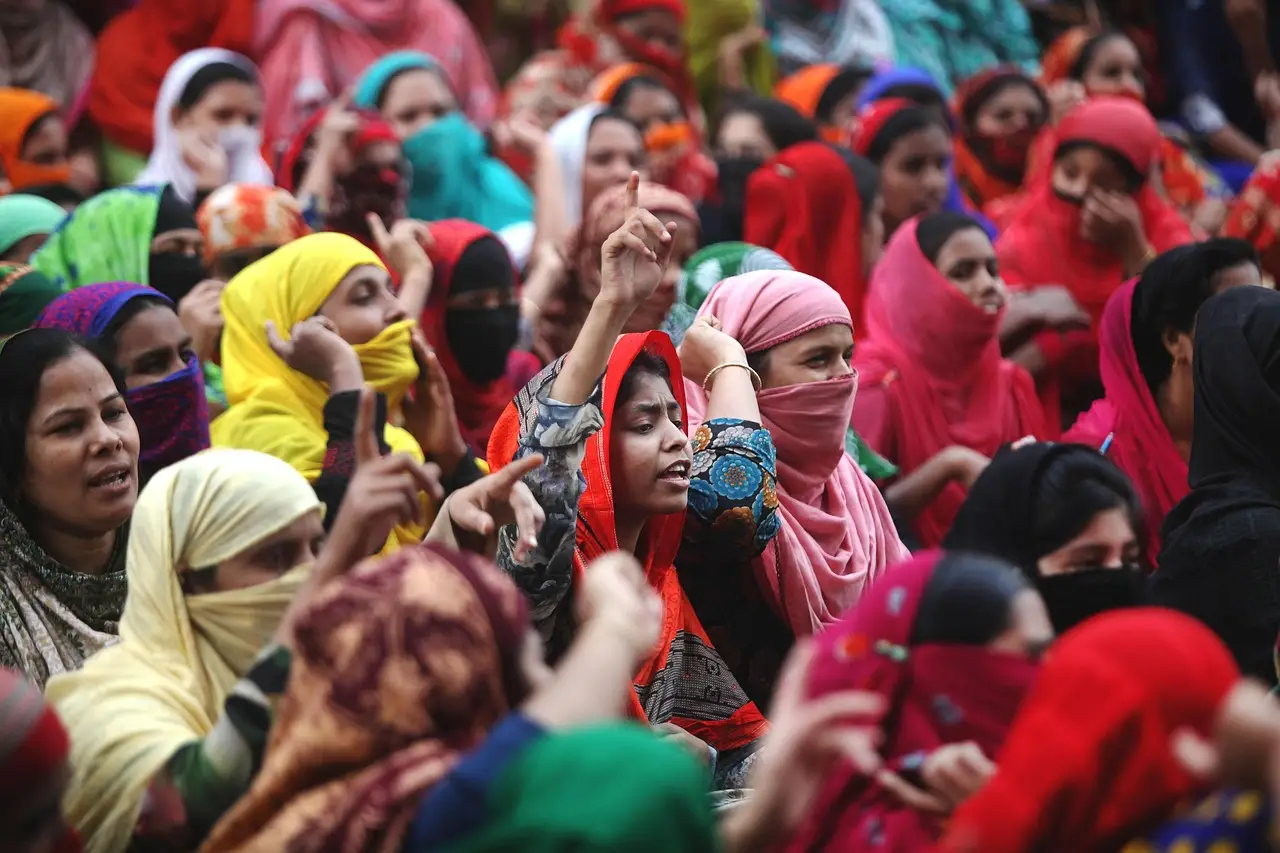
Bangladesh more than doubled its share of global apparel exports between 2010 and 2024, rising from 4.9% to 10.9%, according to a World Bank study released on November 13, 2026. The 6.0 percentage-point gain is the largest recorded by any country over the period.
The report, Shifting Sands: Is Trade Still a Path to Development?, was authored by Alessandro Barattieri and Aaditya Mattoo. It frames Bangladesh's gain within a broader reallocation of apparel sourcing away from China.
China's share fell by 13.8 percentage points over the same 14 years, dropping from 42.0% to 28.2%. Rising wages and a shrinking workforce pushed Chinese producers out of labor-intensive clothing and toward capital-intensive textiles and automation.
Who gained and who lost?
Vietnam posted the second-largest gain among alternatives to China. Its share rose from 3.2% to 8.3%, a 5.1-point increase. Cambodia grew from 1.6% to 3.6%, adding 2.0 points.
India moved in the opposite direction. Its share slipped from 4.1% to 3.9. Indonesia fell from 2.5% to 2.1%. High-income countries edged down 0.5 points to 23.2%, while other nations gained 1.8 points to reach 19.8%.
The World Bank attributes Bangladesh's outperformance to two concrete policy advantages:
- LDC tariff-free access. Under its Least Developed Country status, Bangladesh shipped duty-free into major industrialized markets, while Indian exporters faced steeper trade barriers plus domestic rules protecting India's local textile sector.
- Bonded warehouse imports. Bangladeshi garment factories imported fabrics duty-free despite high general tariffs. China supplied many of these fabrics, letting local factories scale output quickly.
The study notes a trade-off. Imported fabrics lowered local value added per garment. But the surge in export volume created substantial jobs and lifted total domestic value added — a volume-over-margin model that reshaped the country's sourcing appeal.
What pressures come next?
The report warns that the model now faces structural headwinds. Its estimates show a 10 percentage-point rise in foreign tariffs cuts employment by 1.4 percentage points in developing economies. Doubling robot adoption can raise exports by up to 50% in machinery and vehicles — a trend that directly threatens low-skilled assembly work of the kind Bangladesh concentrates on.
The contrast with Vietnam is central to the report's argument. Vietnam opened its services market, raising productivity by 3%, and invested in worker skills to enter higher-value electronics. Bangladesh remains heavily concentrated in basic garment assembly.
Bangladesh's LDC graduation has been extended to November 2029. That gives factories, buyers and policymakers a defined window before preferential tariff access narrows.
The World Bank's prescription for sustaining growth is specific: use the remaining trade window to improve worker training, reduce transport bottlenecks, and sign deeper regional trade agreements. For sourcing executives, the message is that Bangladesh's cost advantage rests on policy terms with an expiry date — and that the next competitive edge depends on skills and logistics, not tariffs alone.
via textiletoday.com.bd (Source)
More from Marcus Bennett
Show full bio
Senior reporter covering money, funding and market shifts around fashion industry as a trade and business at The Fabric Brief.
308 articles
Also on the board
- Bangladesh RMG Exports to Non-Traditional Markets Up 9.3% to $2.37bn
- Bangladesh Footwear Exports Climb 9.37% to $457m in Four Months
- Bangladesh-Vietnam Sourcing Contest Returns to Trade Press
- Bangladesh Election Lifts Apparel Sector Outlook After Tariff Strain
- US Hits Bangladesh Apparel Exports With 10% Section 301 Tariff