Swatch card No. SW-1105 · cut October 10, 2026
Supply Chain & SourcingMill spec card
Bangladesh Apparel Sector Faces 'Changing Fabric Equation,' Fibre2Fashion Analysis Frames
Fibre2Fashion's 'Bangladesh apparel and the changing fabric equation' headline signals a sector-wide recalibration in fibre and fabric inputs for the world's second-largest RMG exporter, with downstream implications for lead time, cost and compliance.
- Fiber
- Supply Chain & Sourcing
- Count
- 2 min read
- Cut
- Weight
- 356 words
Spec notes
- Fibre2Fashion published the analysis under the headline 'Bangladesh's apparel industry and the changing fabric equation.'
- Bangladesh ranks as the world's second-largest ready-made garment exporter by export volume.
- The headline frames a recalibration in fabric inputs rather than a transaction or single-factory announcement.
- The source publication is the India-based textile trade outlet Fibre2Fashion.
- No specific transaction figures, dates, or mill capacity numbers are disclosed in the available source material.
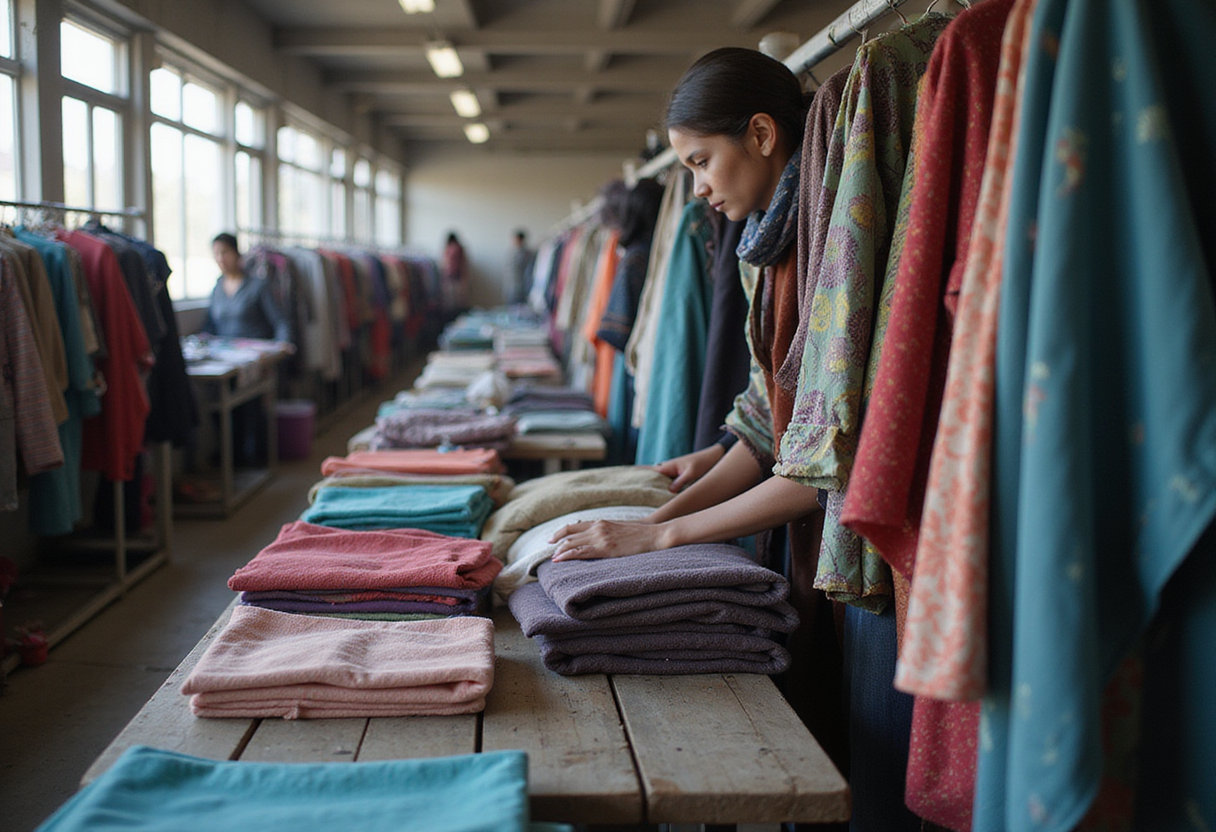
Fibre2Fashion has published an editorial analysis titled "Bangladesh's apparel industry and the changing fabric equation," framing a structural recalibration in how the country's garment sector sources and processes textile inputs.
What does the title signal?
The phrase "changing fabric equation" — used by Fibre2Fashion in the article's headline — points to a shift in the fibre and fabric inputs underpinning Bangladesh's ready-made garment (RMG) base, the world's second-largest by export volume. For sourcing professionals, the formulation implies movement in at least one of the following variables: fibre mix, vertical integration, mill capacity, or import dependency for woven and knit fabrics.
What is the article likely to address?
Fibre2Fashion's editorial framing positions the piece as a sector-wide assessment rather than a single-factory dispatch. Trade-press coverage using the word "equation" typically pairs a quantified input change (cotton vs MMF share, import volumes, installed capacity) against a downstream commercial outcome (export value, lead time, unit cost).
Why does this matter for brand sourcing teams?
For apparel buyers placing orders in Bangladesh, any movement in the domestic fabric equation carries three operational consequences:
- Lead time: changes in local woven or knit fabric availability affect order-to-shipment windows
- Cost: shifts in fibre mix — particularly cotton to man-made fibre — alter per-unit fabric cost
- Compliance: changes in mill sourcing can trigger Social Compliance audit re-reviews at Tier 2
How should readers treat the framing?
The headline combines two concrete anchors — "apparel industry" (the RMG sector) and "fabric equation" (the input-mix variable). It does not, on its own, disclose a transaction, a capacity figure, a certification, or a shipment date. Treat the framing as a directional indicator pending the underlying article body, order book disclosures, or BGMEA/BKMEA statistical releases that would convert the premise into verifiable data.
Forward read
Watches for the next datapoints include any Fibre2Fashion follow-up linking the headline thesis to BGMEA export statistics, BTMA mill capacity figures, or NBR customs data on fabric imports — each of which would convert the "changing fabric equation" framing into a quantified sourcing brief for the upcoming秋冬 season order cycle.
via Google News: Apparel & garment industry (Source)
More from Marcus Bennett
Show full bio
Senior reporter covering business strategy at The Fabric Brief.
162 articles
Also on the board
- Source Material Insufficient: Only Headline Available
- Textile Today urges innovation ecosystem build-out for Bangladesh apparel
- Textile Innovation Exchange Targets Bangladesh Textile, Apparel Acceleration
- Bangladesh Apparel Sector Eyes FY2026-27 Budget With Concrete Asks
- US-Bangladesh Textile Pact: Zero Tariff Talk Meets Supply Chain Reality