Swatch card No. SW-3235 · cut November 13, 2026
Trade & TariffsMill spec card
Bangladesh and Russia Sign Trade Pact as Bilateral Volume Nears $2bn
Bangladesh and Russia signed a trade MOU in Dhaka on Thursday, targeting barriers in regulation and logistics as bilateral trade nears $2bn, with garment exports at the core of the flow.
- Fiber
- Trade & Tariffs
- Count
- 3 min read
- Cut
- Weight
- 576 words
Spec notes
- FBCCI and Russia-Bangladesh Business Council signed an MOU in Dhaka on Thursday to lift bilateral trade from nearly $2 billion.
- Russian delegation head Ilya Shestakov said a payment infrastructure is needed because sanctions cut Moscow off from the global financial system.
- Ready-made garments top Bangladesh's export basket to Russia, alongside jute, leather, pharmaceuticals and furniture.
- The Rooppur nuclear plant, built with Russian support at $12.65 billion, connects its first unit to the national grid this month.
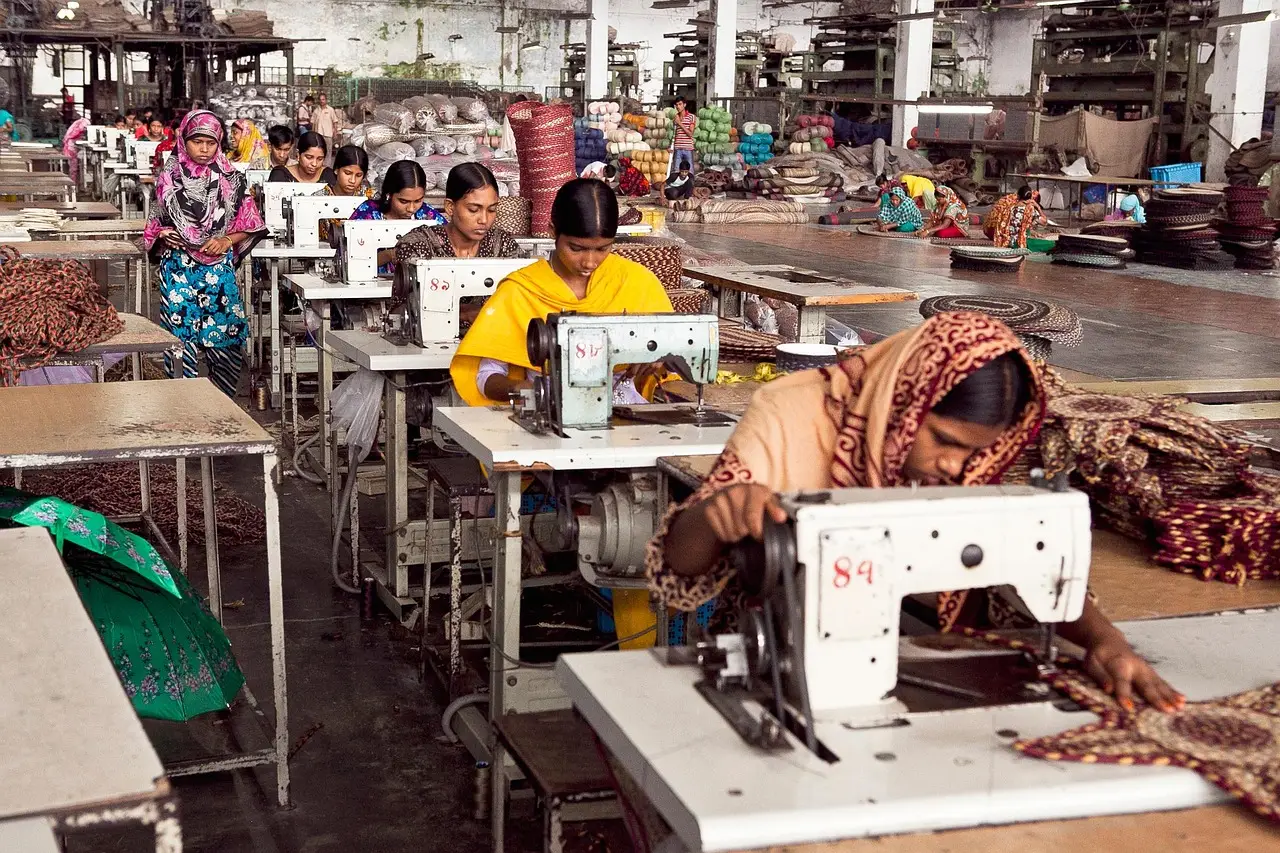
Trade bodies from Bangladesh and Russia signed a memorandum of understanding in Dhaka on Thursday, aiming to lift bilateral trade from its current level of just under $2 billion.
The Federation of Bangladesh Chambers of Commerce and Industry (FBCCI) and the Russia-Bangladesh Business Council signed the pact on the sidelines of a meeting of the Bangladesh-Russia Intergovernmental Commission, the government-to-government mechanism both countries use to facilitate trade and investment.
For Bangladesh's garment exporters, the agreement touches a modest but real channel. Ready-made garments sit at the top of the country's export basket to Russia, alongside jute, leather products, pharmaceuticals, headgear, furniture and food products. Russia supplies wheat, fertilizers, agricultural products, industrial equipment and nuclear machinery in return.
What does the pact actually change?
On paper, very little yet. An MOU between chambers is an intention, not a tariff cut or a shipping agreement. Its stated purpose is to remove barriers to investment and cooperation — a phrase that covers a great deal of unmapped ground.
Russian Ambassador to Bangladesh Aleksandr Khozin put the framing in positive terms. "By combining our respective strengths, resources, and expertise, we can unlock significant new opportunities for mutual benefit," he said. He added that the two countries must first remove existing barriers in regulation and logistics.
For sourcing managers, that second half of the sentence is the operative one. Regulation and logistics friction — customs procedures, documentation, transshipment routes — is precisely what has constrained Bangladesh-Russia apparel trade since Western sanctions complicated direct banking channels.
The payment problem
Ilya Shestakov, head of Russia's Federal Agency for Fisheries, led the Russian delegation to Dhaka and named the obstacle directly. He pointed to the need for a payment infrastructure to tap the trade potential, noting that Moscow has been cut off from the global financial system by Western sanctions.
That admission is the most commercially significant line in the announcement. Without a settlement mechanism, an MOU on trade promotion cannot move goods. Any apparel exporter invoicing Russian buyers must currently navigate workarounds that add cost and delay — the kind of friction that decides whether an order lands in Dhaka or elsewhere.
Shestakov also flagged energy as the larger prize. "We see strong prospects for expanding cooperation in oil and gas supplies. Russia is ready to help meet Bangladesh's growing demand for LNG and to participate in projects for the development of oil and gas fields in the country," he said.
FBCCI Administrator Fazlul Hoque acknowledged the gap between ambition and execution. Significant opportunities exist to expand trade and investment, he said, but "existing barriers needed to be identified and addressed jointly."
The Rooppur benchmark
The relationship already carries a large price tag. The Rooppur nuclear power plant, Bangladesh's first, was built at a cost of $12.65 billion with Russian financial and technical support. Its first unit is expected to connect to the national grid later this month.
That project demonstrates the scale on which the two governments can transact when the political will exists. Whether chamber-level diplomacy can replicate even a fraction of that commitment for commercial trade flows is the open question.
What does this change for sourcing teams this quarter? Nothing measurable. The MOU sets no targets, allocates no funds and establishes no payment channel. Its value will show — or not show — in whether the intergovernmental commission follows through with concrete regulatory and settlement reforms before the next round of talks.
via apparelviews.com (Source)
More from Tom Whitfield
Show full bio
Market editor covering regulation, policy and their impact on fashion industry as a trade and business at The Fabric Brief.
365 articles
Also on the board
- BKMEA and Textile Innovation Exchange sign cooperation MoU
- US-Bangladesh Textile Pact: Zero-Tariff Promise Meets Supply Chain Reality
- US-Bangladesh Deal Brings Capped Zero Tariff for Textiles
- Bangladesh Secures Lower US Tariffs and Exemptions on Clothing
- Dutch Government Targets Closer Bangladesh Ties in RMG and Tech