Swatch card No. SW-7127 · cut October 30, 2026
Apparel ManufacturingMill spec card
Arvind Q2 FY27 Net Profit Jumps 44% to Rs 148 Crore
Arvind Ltd's Q2 FY27 net profit rose 44% to Rs 148 crore as Advanced Materials revenue jumped 80% and its Varanasi garment plant began operations.
- Fiber
- Apparel Manufacturing
- Count
- 2 min read
- Cut
- Weight
- 433 words
Spec notes
- Net profit rose 44% year-on-year to Rs 148 crore (US$15.55 million) in Q2 FY27
- Revenue from operations grew 23% to Rs 2,919 crore (US$306.68 million)
- Advanced Materials revenue climbed 80% to Rs 805 crore (US$84.58 million)
- Cost pass-through gaps hit textile margins by roughly 75 basis points
- Varanasi garment facility's first phase targets Rs 250 crore annual revenue at full utilisation
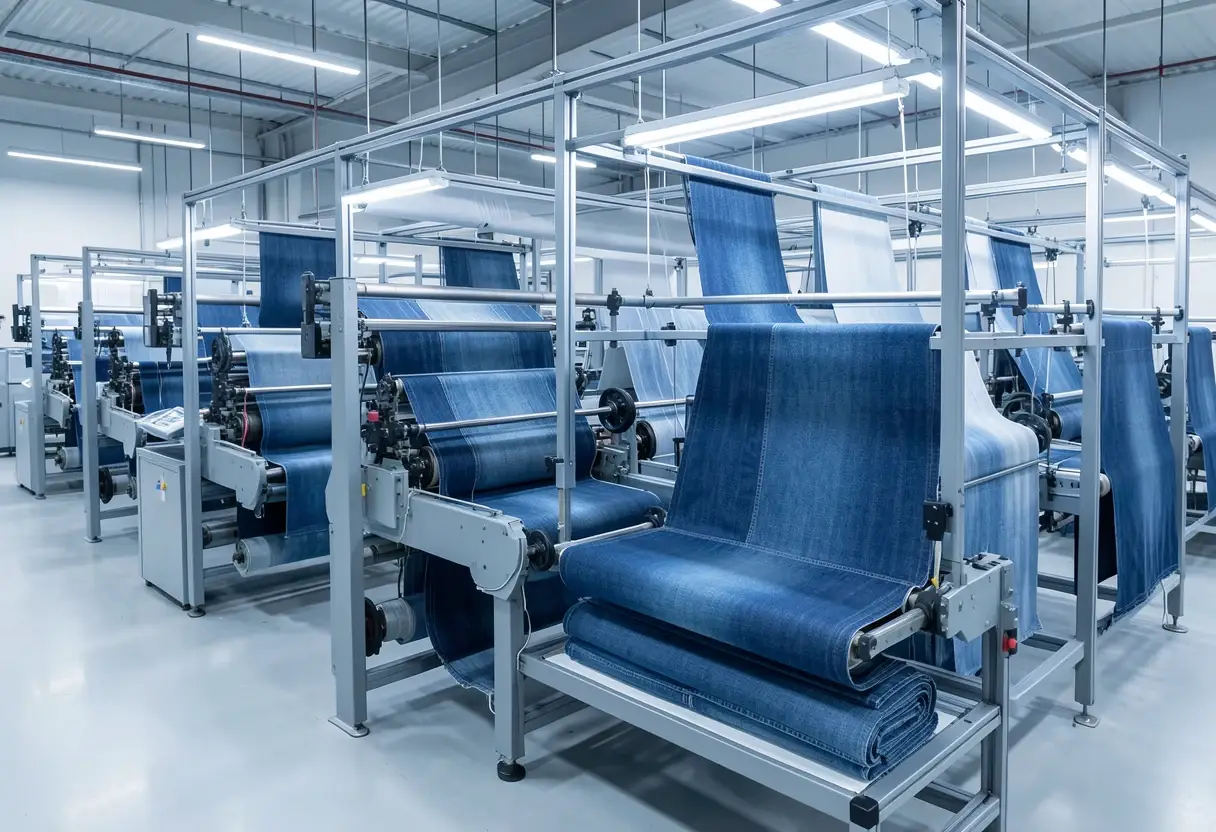
Arvind Ltd posted a 44% year-on-year rise in consolidated net profit to Rs 148 crore (US$15.55 million) for the second quarter of FY27, driven by its Advanced Materials business and improved realisations across textile segments.
Revenue from operations climbed 23% to Rs 2,919 crore (US$306.68 million), the Ahmedabad-based textile major reported. The quarter also included a net exceptional gain of Rs 28.24 crore (US$2.97 million), mainly from the reversal of a Rs 30.70 crore (US$3.23 million) impairment provision tied to a land dispute.
Which divisions drove the numbers?
Advanced Materials delivered the standout performance. Revenue jumped 80% to Rs 805 crore (US$84.58 million), lifted by demand linked to industrial capital expenditure, infrastructure, mobility and specialised applications.
The textiles business grew 19% to Rs 2,146 crore (US$225.47 million). Improved realisations across denim, woven fabrics and garmenting supported the result. Denim benefited from higher volumes and increased vertical integration, while garmenting gained from a favourable product mix.
Garmenting volumes held at 11 million pieces for the quarter, the second consecutive quarter at this level.
What squeezed textile margins?
Profitability in textiles stayed under pressure. Higher cotton, yarn, dyes and chemicals prices combined with increased utility and freight costs to compress margins.
The company said partial pass-through of these cost increases to customers hit textile margins by around 75 basis points on a normalised basis. That figure quantifies the gap between input inflation and what buyers absorbed.
Where is Arvind adding capacity?
Arvind expanded manufacturing and international operations during the quarter. Its greenfield garment manufacturing facility in Varanasi, Uttar Pradesh, commenced operations.
The first phase is expected to generate annual revenue of around Rs 250 crore (US$26.27 million) at full utilisation. Arvind also established a denim design and marketing hub in Amsterdam to deepen engagement with European customers.
How did demand hold up?
The company said demand remained stable despite geopolitical uncertainties, higher logistics costs and cautious buying in some global markets. Festive-season demand supported domestic textiles.
Advanced Materials continued to benefit from industrial capex-linked demand, infrastructure spending, mobility and specialised applications, giving the division a demand base less exposed to apparel cycles.
What does the second half hold?
For the second half of FY27, Arvind expects its Advanced Materials business in India to sustain growth. The textiles division is projected to deliver early double-digit revenue growth.
Elevated raw material costs and uncertainty in global demand, however, are expected to remain challenges for margins through the remainder of the fiscal year.
via Apparel Resources (Source)
More from Marcus Bennett
Show full bio
Senior reporter covering money, funding and market shifts around fashion industry as a trade and business at The Fabric Brief.
243 articles