Swatch card No. SW-2785 · cut October 18, 2026
Trade & TariffsMill spec card
Apparel Maker Eyes Dominican Republic to Dodge Tariff Costs
An apparel maker is weighing a production shift to the Dominican Republic to cut tariff costs on US-bound goods, FreightWaves' Borderlands Mexico briefing reported.
- Fiber
- Trade & Tariffs
- Count
- 2 min read
- Cut
- Weight
- 493 words
Spec notes
- An apparel manufacturer is considering moving production to the Dominican Republic, per FreightWaves' Borderlands Mexico.
- The driver is tariff exposure on apparel shipped from Mexico to the US.
- The plan is an announced intention, not a confirmed relocation; no factory names or dates were disclosed.
- Borderlands Mexico is a weekly FreightWaves feature on cross-border manufacturing and logistics.
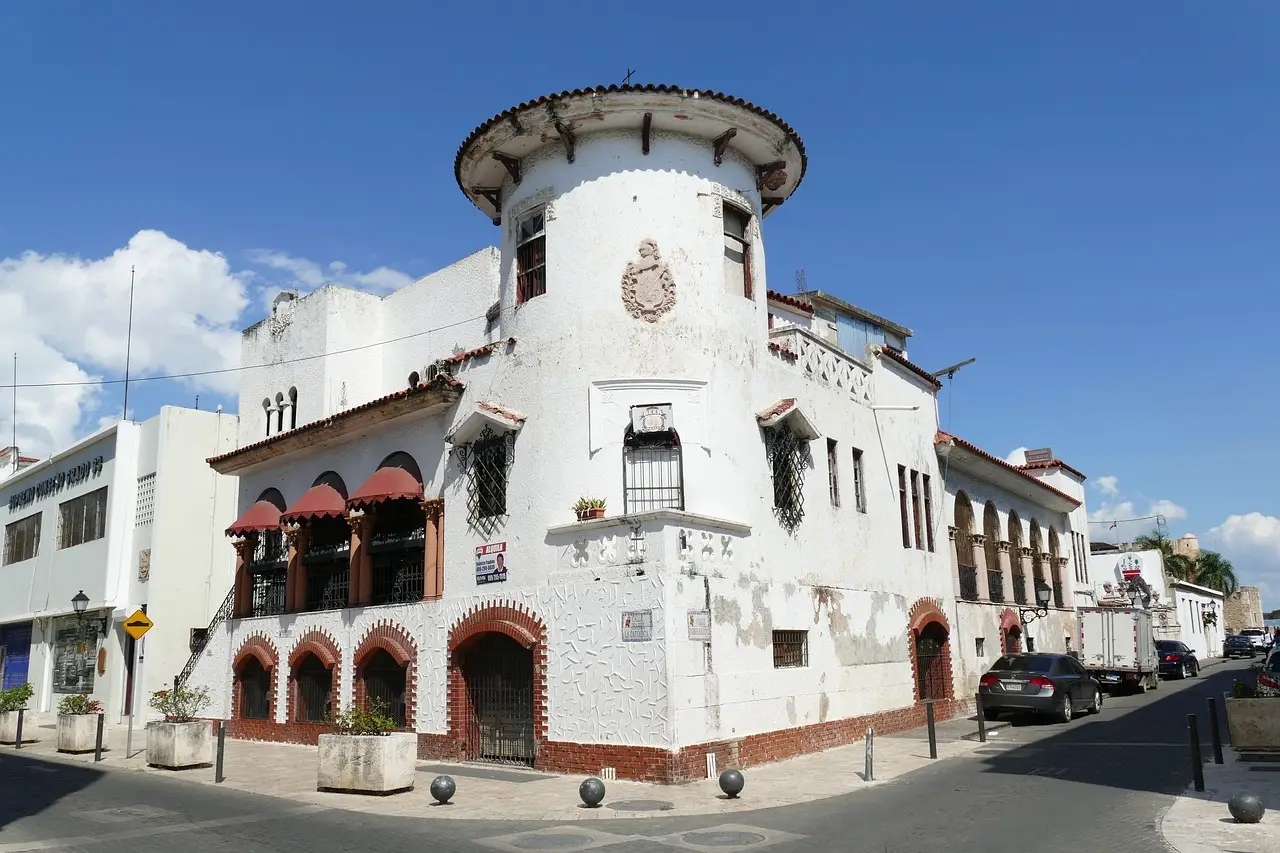
An apparel manufacturer is evaluating a move of production to the Dominican Republic, a shift designed to reduce exposure to tariffs now raising landed costs on goods shipped from Mexico, FreightWaves reported in its Borderlands Mexico briefing.
The company has not yet confirmed a final decision. The plan, as described, would redirect sewing and finishing capacity from Mexican facilities to the Caribbean island, where trade terms differ from those applying to Mexican-made garments entering the United States.
Why does the Dominican Republic appeal to sourcing teams?
The answer is duty arithmetic. Mexico-based apparel has faced a changing tariff picture as Washington adjusts trade measures, and every percentage point of duty lands directly on the cost sheet of a garment that crosses the border. The Dominican Republic offers US-market access under existing trade preference frameworks, which can lower or eliminate duties on qualifying apparel.
For sourcing directors, the calculation involves more than the duty line.
- Fabric and trim supply chains must be requalified under new rules of origin.
- Lead times shift as shipping moves from truck lanes to ocean routes.
- Factory capacity and compliance certifications in the Dominican Republic must be audited before orders move.
What is confirmed versus what is intention?
The Borderlands Mexico report describes the Dominican Republic option as under consideration, not as an executed relocation. No order volumes, factory names or transition dates appear in the report. Apparel companies routinely weigh nearshoring alternatives when tariff structures change, and announced intentions do not always convert into shifted purchase orders.
The tariff pressure itself is concrete. Producers shipping from Mexico have watched duty exposure rise as US trade policy has tightened, and garment makers operate on margins thin enough that a tariff change can erase a season's profit on affected programs.
Who pays for the shift?
In practice, the manufacturer pays first. Relocating production means new sample approvals, new quality benchmarks and a period of dual running while Mexican lines finish existing orders and Dominican capacity ramps up. Brands buying from the manufacturer may share some cost through price negotiations, but the initial capital and administrative burden sits with the maker.
The Dominican Republic already hosts a garment sector geared to US buyers, which shortens the learning curve compared with a move to Asia. Ocean transit from Dominican ports to US East Coast gateways typically runs shorter than trans-Pacific routings, a factor that supports the lead-time case alongside the tariff case.
Borderlands Mexico is a weekly FreightWaves feature tracking cross-border manufacturing and logistics developments, and its reporting on this manufacturer reflects a broader pattern of tariff-driven sourcing reviews now under way across Mexico's apparel cluster.
Whether this particular maker signs leases and moves machines remains open. What is not open is the direction of the pressure: tariffs are reshaping where US-bound apparel gets cut and sewn, and the Dominican Republic has moved onto shortlists that once belonged almost exclusively to Mexican contractors.
via Google News: Apparel & textile tariffs (Source)
More from Rebecca Stone
Show full bio
Staff writer covering people, launches and day-to-day practice in fashion industry as a trade and business at The Fabric Brief.
213 articles
Also on the board
- Mexico's Duty Wall Readies to Rewire Apparel Sourcing
- Haitian Garment Sector Faces New Tariff Pressure From US Trade Policy
- US, Guatemala Sign Reciprocal Trade Pact Covering Textiles and Apparel
- Sourcing Journal Fall Summit Tackles Western Hemisphere Scale Question
- Nicaragua Tariffs Skip CAFTA-DR Goods, Apparel Groups Breathe Easy