Swatch card · cut November 22, 2026
Brands & Retail BusinessMill spec card
Amazon's Export Arm Eyes $80 Billion by 2030 From India
Amazon Global Selling has moved $20bn in Indian e-commerce exports since 2015 and targets $80bn by 2030, with a TEXPROCIL MoU and SEND logistics pushing cotton textile and apparel sellers into 18 markets.
- Fiber
- Brands & Retail Business
- Count
- 3 min read
- Cut
- Weight
- 580 words
Spec notes
- Amazon Global Selling has enabled US$20bn in cumulative Indian e-commerce exports since 2015, targeting US$80bn by 2030.
- The programme gives Indian sellers access to more than 18 international marketplaces across the US, Europe, UK and Middle East.
- Amazon signed an MoU with TEXPROCIL to onboard more cotton textile manufacturers and exporters.
- SEND logistics ships Indian inventory to fulfilment centres in the US, UK and Germany with no fixed minimum order quantity.
- Strong demand categories include bed linen, carpets, button-down shirts and cotton T-shirts.
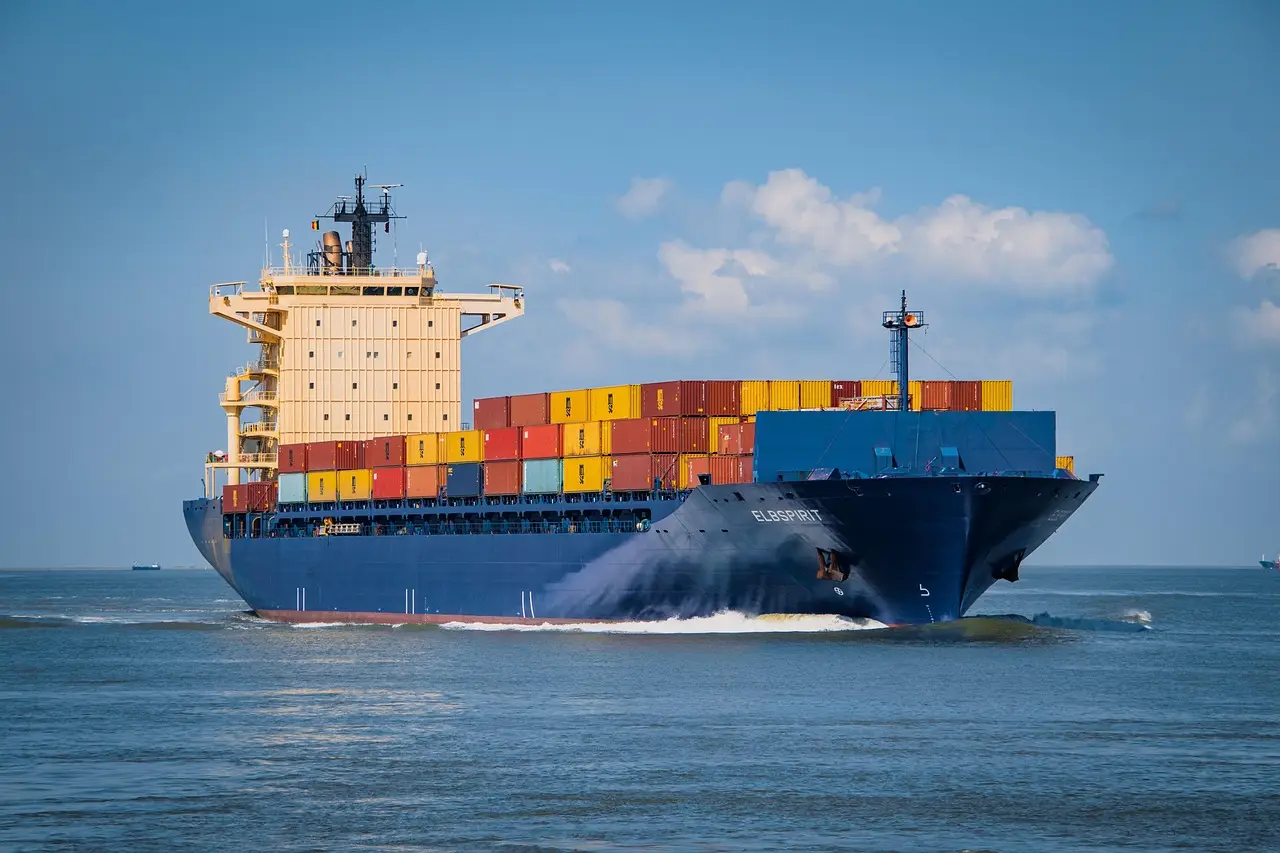
Amazon Global Selling has enabled US$20 billion in cumulative e-commerce exports from India since launching the programme in 2015. Its stated ambition now stands at US$80 billion by 2030, a target that rests heavily on India's textile and apparel manufacturers.
Srinidhi Kalvapudi, Head of Amazon Global Selling, India, laid out the numbers in an interview with Apparel Resources. "India can build a premium global identity for its products," she said, drawing a parallel with South Korea's positioning in beauty.
What does the programme actually offer sellers?
Amazon Global Selling works across seller types. Small manufacturers, MSMEs, large companies, traditional exporters and D2C brands all qualify. Sellers from the apparel hub of Tiruppur already use the channel.
Access covers more than 18 international marketplaces, including the US, Canada, Mexico, the UK, Europe and the Middle East. There is no fixed minimum order quantity. Sellers can fulfil demand for even a few units — a structural break from the MOQ logic of traditional export orders.
In July-adjacent developments, Amazon signed an MoU with TEXPROCIL, the Cotton Textiles Export Promotion Council, to bring more cotton textile manufacturers and exporters onto the platform.
Support extends beyond listing products. Amazon advises sellers on:
- customer preferences, price points and product trends;
- competitive positioning in target markets;
- advertising, product listings and brand building;
- sourcing, for D2C brands without their own factories, including identifying manufacturing clusters and supplying lists of potential manufacturers.
Financing is the next gap. Kalvapudi said Amazon is exploring lending solutions with the Indian government and institutions such as Exim Bank, aimed at smaller e-commerce exporters. No timeline or loan volume was given; the talks remain at an exploratory stage.
How does logistics work?
The programme's shipping arm, Amazon Global Selling SEND, moves inventory from India to fulfilment centres in the US, UK and Germany. Partnered carriers handle shipping and customs, with doorstep pickup or designated drop-off points.
Once stock sits in Amazon's fulfilment centres, sellers use Seller Central data to track demand, read sales patterns and plan inventory. For apparel exporters, this shifts working capital risk from bulk ocean shipments of uncertain demand toward replenishment driven by observed sales.
Which categories are moving?
Demand is concentrated in cotton-based goods. In home textiles, bed linen, bath linen, kitchen linen, carpets and area rugs perform well. In apparel, button-down shirts, T-shirts and camisoles find international buyers.
Kalvapudi pushed back on the price-led assumption. "That is not necessarily true," she said of the claim that consumers buy Indian products mainly because they are cheaper. "Customers are willing to pay more when a product delivers the quality they expect." Her argument: Indian sellers can compete on brand value rather than unit price, building on India's base in cotton, including organic cotton, and craftsmanship.
The opportunity also extends beyond large firms and major cities. Businesses in tier-2 and tier-3 cities can reach global customers by building on existing manufacturing strengths, she said, with the no-MOQ model lowering the entry barrier.
What is confirmed versus claimed?
The US$20 billion cumulative export figure and the 18-marketplace reach are programme data from Amazon. The US$80 billion 2030 figure is an ambition, not a forecast. The TEXPROCIL MoU is signed; the Exim Bank lending discussions are exploratory and carry no committed sums. Sourcing teams assessing the channel should treat SEND pricing and fulfilment economics as the variables to test against current export margins.
via Apparel Resources (Source)
More from Rebecca Stone
Show full bio
Staff writer covering people, launches and day-to-day practice in fashion industry as a trade and business at The Fabric Brief.
334 articles
Also on the board
- India-UK FTA Enters Into Force; AEPC Calls It a Sourcing Turning Point
- Walmart Sourcing VP Questions India's $40 Billion Apparel Export Path
- India Positioned to Capture Apparel Sourcing Shift Away from China: Report
- Surat and Tiruppur SMEs Turn to AI-Powered Smart Textiles
- CITI Warns 100% US Tariffs Could Hit Indian Textile Exports