Swatch card No. SW-5651 · cut November 5, 2026
Fashion TechMill spec card
Aetrex Cites 50 Million Foot Scans as FitAI Reshapes Shoe Sizing
Aetrex says 50 million foot scans power its FitAI software, now installed at Foot Locker, as Heeluxe and retailers join a push to replace opinions with fit data.
- Fiber
- Fashion Tech
- Count
- 3 min read
- Cut
- Weight
- 618 words
Spec notes
- Aetrex has collected data from over 50 million global foot scans to build its orthotics, insoles and FitAI software.
- Larry Schwartz led a fit-data panel with Heeluxe president Geoffrey Gray and Foot Locker's Andreas Derkits at the 2026 WWD Apparel and Retail CEO Summit.
- Aetrex scanners rank a store's shoe assortment by fit within about a minute of a foot scan.
- Retailers scan new styles quarterly; only one scan per style is needed, not per colorway.
- Developers can compare average foot data across Asia, Scandinavia and South America via Aetrex's foot.com portal.
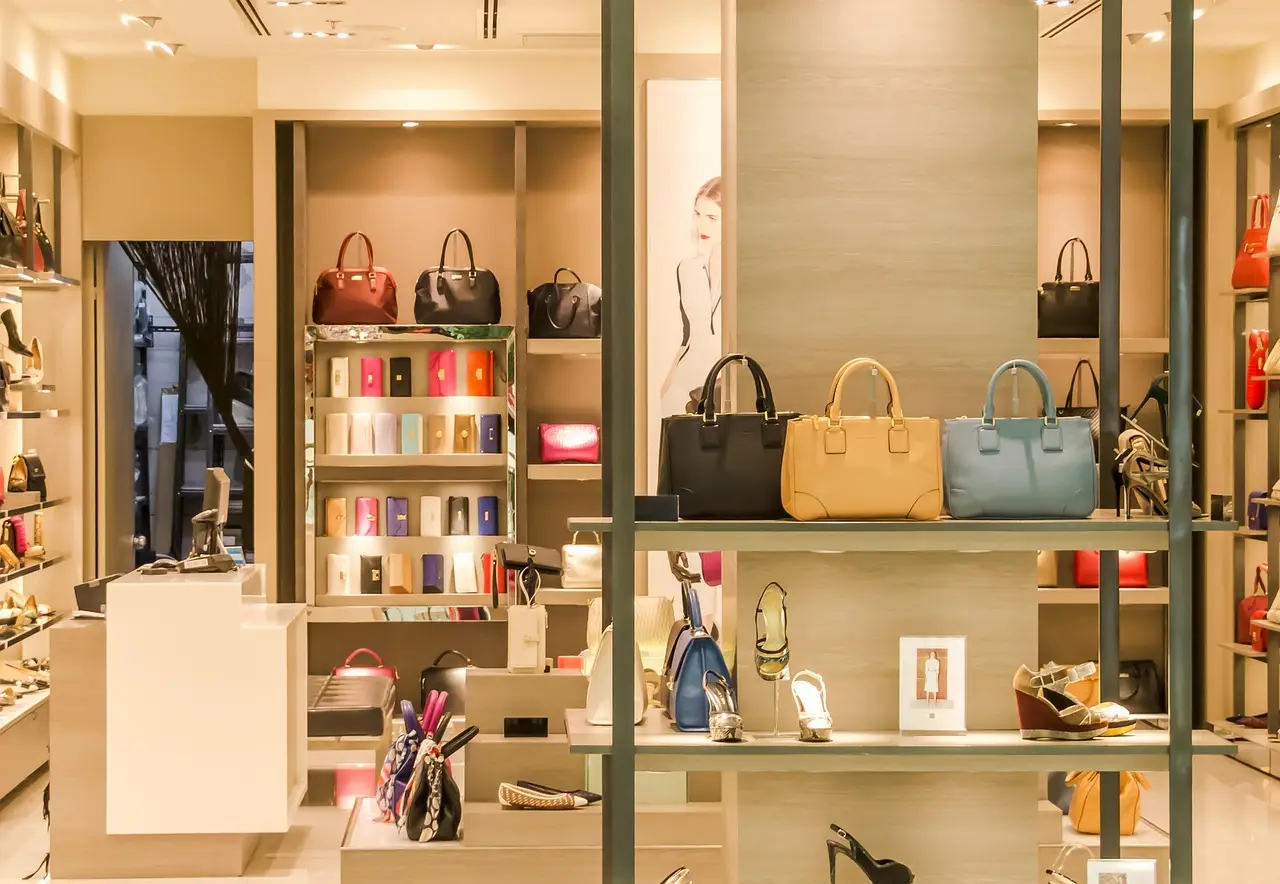
Aetrex has built its orthotics and insoles on data drawn from more than 50 million global foot scans, and the company's FitAI software now uses that dataset to recommend correct shoe sizes across brands and styles. Chief Executive Officer Larry Schwartz laid out the model last week at the 2026 WWD Apparel and Retail CEO Summit, where he led a panel titled "Utilizing AI & 3D Scan Data to Transform Shoe Fit (from Product to In-Store).
The panel paired Aetrex with two partners in the fit-data chain. Geoffrey Gray, president of Heeluxe, a research firm that runs biomechanics testing and fit analysis in a data-driven lab, joined Andreas Derkits, director of banner initiatives for North America at Foot Locker, a specialty retailer with Aetrex scanners installed in stores running FitAI software.
What does the partnership change?
Schwartz said the Heeluxe–Aetrex partnership has helped "consumers get the right shoe quickly and effectively." For retailers, the value proposition sits in assortment navigation: a shopper steps on a scanner and receives a fit-ranked list of shoes in about a minute.
"When you go into a retail setting, where you can have [inventory] as big as a DSW, for example, you can go on [an Aetrex] scanner and within a minute you can see the shoes in order of how they fit your feet," Schwartz said. Shoppers can filter by use case, asking the system for golf shoes or hiking shoes sorted by fit.
Gray framed fit as a measurable variable rather than a matter of taste. "When we move beyond opinions and start looking at the data, comfort is really easy. The number-one influence on comfort is fit," he said. His shorthand: take "foot shape and shoe shape and combine them. That's comfortable fit."
How does the data reach factories?
Heeluxe contributes human fit-testing data from its lab. Gray said this solves "only half of our fit equation. We have to be able to combine that with foot data," which Aetrex's scanning system supplies. Heeluxe works with factory and development teams at shoe brands, using proprietary technology and data points to shape footwear design toward customer expectations on comfort and fit.
Schwartz pointed to a developer-facing portal, foot.com, where brands can log in and compare average foot measurements across regions. "You can actually see the average feet in Asia versus Scandinavia versus South America, and you can really develop shoes in a smarter way," he said — a tool that could inform regional grading decisions in product development.
What is the store-level workflow?
For retailers, scanning is a quarterly exercise rather than a per-SKU burden. Teams scan new footwear as it arrives in stores. "You don't need to scan every color. You just scan the specific style, and that uploads [to the] database," Derkits said.
Foot Locker's customers have told the chain, "We need to change how they measure their feet," according to Derkits. He said scanners help customers navigate their fit journey, build confidence in technology and discover multiple brands along the way.
He cited one customer who believed she wore a size 6. The scan returned a size 7. She tried the larger size, and the shoe "feels great, and it's an actual fit," Derkits said — a data point with direct implications for returns and conversion at the register.
Schwartz added that FitAI adjusts recommendations for both shoe and foot shape, sizing each consumer correctly for any given brand and style. As scanner installations widen and the scan database grows, fit data looks set to move from a store-level sales aid toward a core input in how brands design, grade and distribute footwear.
via WWD (Source)
More from Rebecca Stone
Show full bio
Staff writer covering people, launches and day-to-day practice in fashion industry as a trade and business at The Fabric Brief.
256 articles
Also on the board
- Archive Scales Branded Footwear Resale to 12 Brands as Returns Mount
- Lems Enters Running With Tariff Refund Funding Its Push
- Midwest Shoe Merchants Converts Waxberg's to Stan's Shoes in Niles Remodel
- Sanuk Plots 2027 Sneaker Launch After 58% Revenue Jump
- ZOZO Bets on AI Styling and Body Data to Scale Fashion Tech