Swatch card No. SW-5243 · cut October 10, 2026
Trade & TariffsMill spec card
16 House Lawmakers Press DHS for Textile Customs Fraud Crackdown
Sixteen House lawmakers urged DHS Secretary Markwayne Mullin to crack down on textile customs fraud, with FTA origin checks, importer blacklists and lab testing on the table.
- Fiber
- Trade & Tariffs
- Count
- 3 min read
- Cut
- Weight
- 505 words
Spec notes
- 16 House members signed a bipartisan letter to DHS Secretary Markwayne Mullin urging a textile customs fraud enforcement plan.
- CBP collected $13.2 billion in textile-related duties in fiscal 2024, nearly 17 percent of all U.S. duties.
- Proposed measures include a public importer blacklist, maximum penalties for repeat offenders and lab testing of FTA claims.
- The letter names China and Vietnam as having a 'long history' of deceptive commercial practices.
- The letter was led by Textile Caucus co-chairs David Rouzer (R-N.C.) and Adriano Espaillat (D-N.Y.).
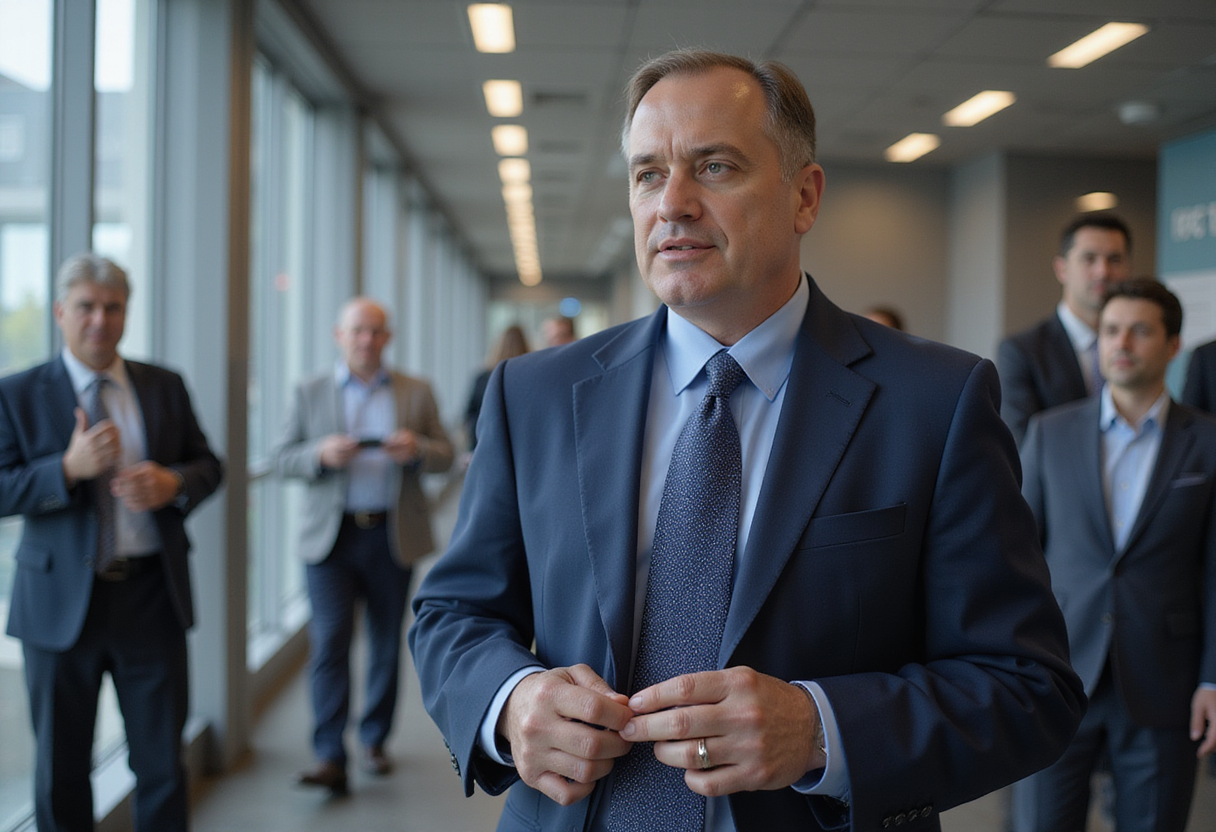
Sixteen U.S. House members have asked Homeland Security Secretary Markwayne Mullin to launch a comprehensive enforcement program against textile customs fraud — a trade segment that generated $13.2 billion in duties for Customs and Border Protection in fiscal 2024, nearly 17 percent of all U.S. duty collections.
Textile Caucus co-chairs David Rouzer, a North Carolina Republican, and Adriano Espaillat, a New York Democrat, led the bipartisan letter. The lawmakers argue that the high duty burden on imported apparel and the sheer number of suppliers create structural incentives for evasion.
"With billions in duty revenue at stake, and countless suppliers and countries involved, importers are incentivized to circumvent U.S. tariff and trade requirements," the letter states.
What enforcement measures are the lawmakers proposing?
The letter calls the program "comprehensive" and lists five concrete elements:
- Maximum fines and penalties for repeat offenders
- A public blacklist of importers who continue to violate trade laws
- Increased customs enforcement of FTA-qualifying duty-free goods
- Increased onsite enforcement at offshore FTA production sites to verify rules of origin
- Lab testing of imports claiming FTA benefits to determine product origin
"This program should safeguard the interests of the domestic textile industry while also preventing unscrupulous shippers and importers from robbing the U.S. Treasury of billions of dollars of textile-related tariff revenue," the lawmakers write.
The onsite verification and lab-testing demands, if implemented, would directly affect brands and vendors using free trade agreement programs — adding origin-proof obligations at offshore production sites rather than only at the border.
Which countries and practices are in the crosshairs?
The letter names China and Vietnam as countries with a "long history" of deceptive commercial practices, which it says are "further corrupted" by illegal subsidies, state-sponsored production, forced labor and an intentionally devalued currency. Those are allegations in the lawmakers' letter, not adjudicated findings.
The letter also flags a loophole in the FTA architecture: countries without U.S. trade agreements allegedly engage in targeted transshipping through agreement partners to capture reduced tariff levels.
"Failure to detect and penalize customs fraud allows the benefits of these agreements to flow through to third parties who are not signatories to those agreements," the letter says.
How has the industry responded?
Kim Glas, president of the National Council of Textile Organizations, praised the letter as a "powerful message" that customs fraud, illegal transshipment and tariff evasion are "rampant and must be stopped."
"These illegal trade practices cost American jobs, undermine legitimate manufacturers, weaken our trade agreements, and deprive the U.S. Treasury of billions of dollars in revenue," Glas said. "The industry looks forward to working with Congress, DHS and CBP to strengthen enforcement efforts and ensure a level playing field for American textile manufacturers and workers."
For sourcing teams, the proposals remain a congressional request, not a policy change. DHS and CBP have not yet announced a response. If the department adopts the program, importers relying on FTA duty-free claims would face heightened documentation, testing and audit exposure going forward.
via wwd.com (Original)
More from Rebecca Stone
Show full bio
Staff writer covering industry trends and analytics at The Fabric Brief.
142 articles
Also on the board
- 25 States Target Trump Tariffs in $7.2 Billion Apparel Trade Dispute
- Section 338 Threatens USMCA Textiles With 50% Tariff Risk
- USTR Proposes 10–12.5% Tariffs on 60 Economies Over Forced Labor Gaps
- Trump's New Forced Labour Tariffs Raise Sourcing Questions
- USTR Slaps Double-Digit Duties on Dozens of Countries